
BuyingGuide
Shopify Starter Plan in 2026: Is It Still Available? Features, Limits and Alternatives
Shopify’s current English Help Center says the Starter Plan is no longer available to new stores. Here’s what Starter still includes, where it falls short, and how to decide whether Basic or...
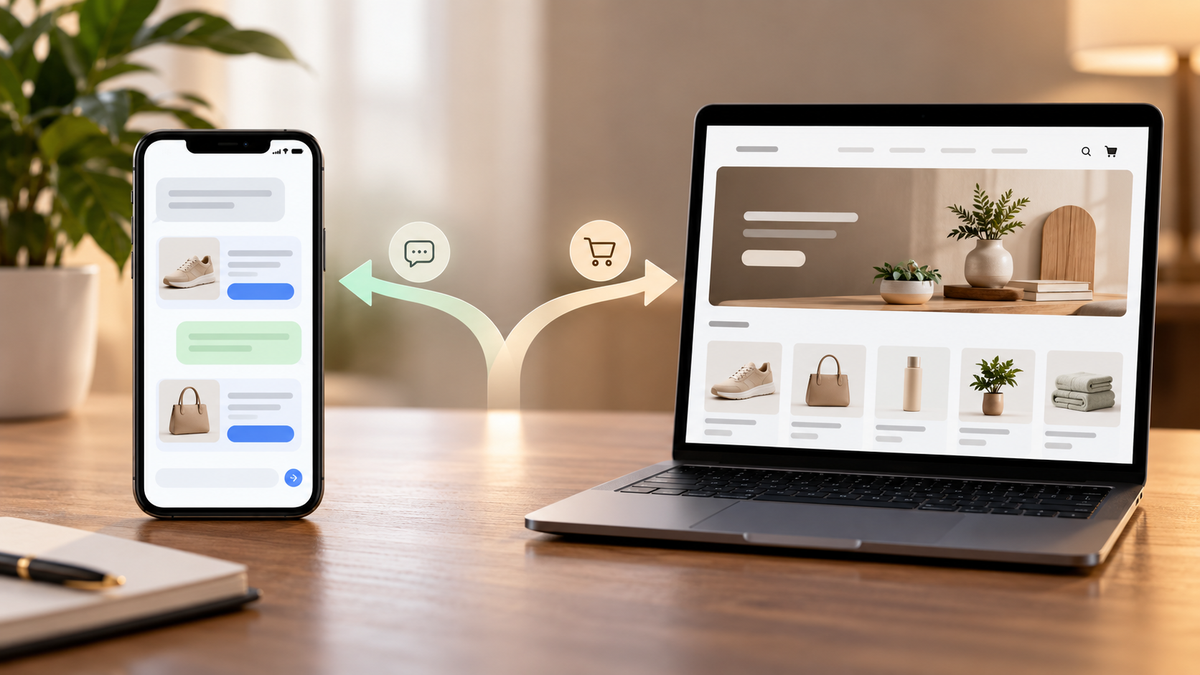
As of September 26, 2026, Shopify’s current English Help Center says the Shopify Starter Plan is not available to new stores. Existing merchants who are already on Starter can continue using it, but Shopify says they cannot switch away and later return to Starter. For a new merchant who wants a full online store, Shopify currently positions Basic as the entry-level plan.
What This Means for You
If you searched for the Shopify Starter Plan because you saw older articles describing a low-cost way to sell through social media, the key issue is no longer just price. The first question is whether Starter is actually available in your account. Shopify’s current English Starter Plan documentation says it is not available to new stores, while some localized Shopify pages may still show older eligibility wording. Plan availability can also change by market and rollout.
That means you should use the plan selector inside your own Shopify account, plus Shopify’s regional pricing page, as the final source of truth. If Starter does not appear, do not build your launch plan around finding a hidden way to activate it. Compare Basic and the other currently offered plans instead.
What Was the Shopify Starter Plan Designed to Do?
Starter was designed for a very specific use case: a merchant who wanted Shopify checkout and simple product selling without building a full traditional ecommerce website. Shopify describes it as a simplified store for selling through social media platforms and messaging apps. Merchants can create product links and share those links in posts, bios, direct messages, or other conversations.
That is different from running a full branded ecommerce store with deep navigation, category pages, multiple themes, merchandising collections, content marketing, and broader site customization.

According to Shopify’s current Starter documentation, the plan includes the Spotlight theme, reporting tools, international commerce features, and the ability to sell through a simplified storefront. However, it also has meaningful restrictions. Starter does not support product collections, adding staff accounts, third-party carrier-calculated shipping, or upgrading to POS Pro. Theme flexibility is also limited compared with a full online-store plan.
Those limits are not minor if your goal is to build a store that customers browse like a normal ecommerce site. A low monthly fee only helps when the plan still supports the way you intend to sell.
Is the Shopify Starter Plan Still Available in 2026?
For new stores, Shopify’s English Help Center currently says no. The Help Center note states that Starter is not available to new stores. It also says that merchants already on Starter cannot return to the plan after changing plans.
This is important because older Shopify content and third-party articles can still reference Starter as a low-cost entry plan. Some localized Shopify documentation may also lag behind the latest English eligibility wording. Rather than assuming every country or account sees exactly the same options, check three things:
- Open the plan-selection screen inside your Shopify admin.
- Check Shopify’s official pricing page for your country or region.
- If your account already uses Starter, review the upgrade implications before changing plans because Shopify says you cannot revert to Starter afterward.
For readers researching this article later, re-check the official documentation. Shopify changes product packaging, pricing, feature access, and plan availability over time.
Shopify Starter vs Basic: The Practical Difference
For most people building a conventional ecommerce website, the more useful comparison is no longer “Should I start on Starter?” but “Do I need a full online store now?” Shopify’s Basic Plan documentation says Basic supports a customizable online store, a built-in blog, SSL, reporting, and international commerce tools. Shopify’s separate Online Store documentation says you need Basic or higher to sell with a full online store.
| Requirement | Starter | Basic |
|---|---|---|
| New-store availability | Shopify’s current English Help Center says unavailable to new stores | Available as Shopify’s entry full-store plan |
| Primary use | Simple social, messaging and product-link selling | Full ecommerce website |
| Product collections | Not available | Available |
| Theme flexibility | Limited to Spotlight and limited customization | Full online-store theme system |
| Blog | Not positioned as a full content-led storefront | Built-in blogging engine |
| Staff accounts | Not available | Not available; Shopify currently requires Grow or higher for staff users |
Shopify’s U.S. pricing page, checked on September 26, 2026, lists Basic at $39 USD per month when billed monthly or $29 USD per month when billed yearly. Prices, card rates, taxes, promotions, and available plans can differ by market, so use those numbers as a U.S. reference rather than a universal quote. Shopify’s live pricing page should be checked before you subscribe.
When Starter Still Makes Sense for an Existing Merchant
If you already have Starter, keeping it can still make sense when your business is intentionally simple. For example, you may have a small product range, an audience on Instagram or another social channel, and no need for category browsing or extensive site design. In that situation, a simple link-to-checkout workflow can be enough.
Starter becomes less suitable when the website itself needs to do more of the selling. If customers must browse several categories, compare products, discover content through search, navigate a branded storefront, or move through a more developed merchandising structure, the limitations become more important than the low plan cost.

The EcomChief Starter-vs-Full-Store Readiness Check
Use this simple decision framework before choosing the cheapest available plan. It is not a Shopify rule; it is an EcomChief planning check designed to stop you from saving a small amount on software while creating a store structure that cannot support your actual selling model.
- Do you need product collections? If you sell across several categories, collections make browsing and merchandising much easier.
- Do you want a strongly branded storefront? A business that depends on visual differentiation needs more theme flexibility than a simple product-link page.
- Will content and SEO matter? If guides, blog posts, landing pages, and organic search are part of the acquisition plan, a full online store is the more natural foundation.
- Will customers browse before buying? If people need to compare products rather than click one direct product link, store navigation matters.
- Will you expand the catalog? A structure that works for five products may become awkward at fifty.
- Will other people need admin access? Shopify currently reserves staff-user capability for Grow or higher, so even Basic may not be enough for a team.
Practical rule: if two or more of the first five points are central to your launch, plan around a full online-store tier rather than trying to force a social-selling setup to behave like a complete ecommerce site. If staff access is mandatory, check Grow or higher.
If you are trying to control launch costs, compare the plan choice with the full budget instead of viewing the subscription in isolation. EcomChief’s guide to starting a Shopify store on a minimal budget explains why store software is only one part of the cost.
What Should a New Seller Choose Instead?
For a new seller who wants a normal Shopify website, Basic is the current starting point described by Shopify for launching an online store. It gives you the online-store channel, theme customization, product organization, blogging, SSL, reporting, and the core features required to operate a branded storefront.
That does not mean Basic is automatically the right choice for every business. Shopify says plan selection should depend on your ecommerce needs and expected sales volume. Higher tiers can reduce payment rates and add capabilities, while Grow and above also add staff users. Review Shopify’s current plan-selection guidance rather than upgrading for features you will not use.
For dropshipping specifically, your plan is only one part of the setup. Product sourcing, supplier quality, shipping expectations, returns, payment configuration, and customer acquisition still determine whether the store can operate effectively. The EcomChief guide to Shopify dropshipping setup, costs, suppliers and risks covers those operational pieces in more detail.
Mid-article next step: If your goal is to launch with a complete storefront rather than assemble the site from scratch, you can browse EcomChief’s ready-made ecommerce and dropshipping store assets. These are starter assets, not established revenue-producing businesses, so you still need to choose the appropriate Shopify plan, configure your own payment details, and market the store.
Do Not Choose a Plan Based on Monthly Price Alone
The cheapest plan can be expensive if it creates rework. Before you subscribe, list the store functions you need during the next six to twelve months: product categories, theme control, content, staff access, shipping integrations, reporting, international selling, and checkout requirements. Then match those needs to the plan.
This matters especially when you are buying or transferring a ready-made Shopify store. The website design may already exist, but the Shopify subscription still determines which platform features can be used. A full store with collections and theme customization should be matched to a plan that supports those features.

Common Questions About the Shopify Starter Plan
How much does the Shopify Starter Plan cost in 2026?
Some current Shopify localized content still references Starter at about $5 USD per month, but Shopify’s English Help Center says Starter is not available to new stores and the main U.S. pricing page no longer lists it among the primary plans. Because plan availability and pricing can vary by region and account, check the plan screen inside Shopify rather than relying on an old price article.
Can I build a full online store on Shopify Starter?
Starter was designed as a simplified selling setup. Shopify says product collections are unavailable and theme options are limited. Shopify’s Online Store documentation says Basic or higher is required to sell with a full online store.
Can I switch from Starter to Basic and then go back?
Shopify’s current Starter documentation says that if an existing Starter merchant changes plans, they cannot revert to Starter afterward. Review the implications before changing an existing legacy subscription.
Does Shopify Basic allow staff accounts?
No. Shopify’s current user-limit documentation says staff users are available only on Grow and higher. Basic and Starter have a zero staff-user limit, although certain exempt user types such as collaborators can be handled differently.
Final Decision: Is Shopify Starter Worth Planning Around?
For a new store in 2026, the practical answer is no: do not design your launch around the Shopify Starter Plan unless Shopify actually offers it inside your account. The current English Help Center says Starter is unavailable to new stores, and Shopify’s main pricing page now centers on Basic, Grow, Advanced, Plus, and newer channel-specific options.
If you already have Starter and your business is intentionally built around simple social or messaging sales, it may still be enough. But once you need collections, a flexible branded storefront, content marketing, or broader ecommerce structure, a full online-store plan is the more appropriate foundation.
If you want to start with a pre-built ecommerce foundation, view EcomChief’s ready-made ecommerce stores and review the ready-made online business FAQ before purchase. EcomChief provides starter business assets; traffic, customers, revenue, profit, and sales are not guaranteed and still depend on the owner’s marketing and operation of the business.
Related reading
All articles


Free Online Business Calculators
Estimate costs, profits, ROI, affiliate earnings, and business value before you spend money.