BuyingGuide
Shopify Dropshipping in 2026: Setup, Costs, Supplier Options and Risks
A practical Shopify dropshipping guide covering supplier connections, startup costs, order economics, fulfillment responsibilities and a pre-launch checklist.
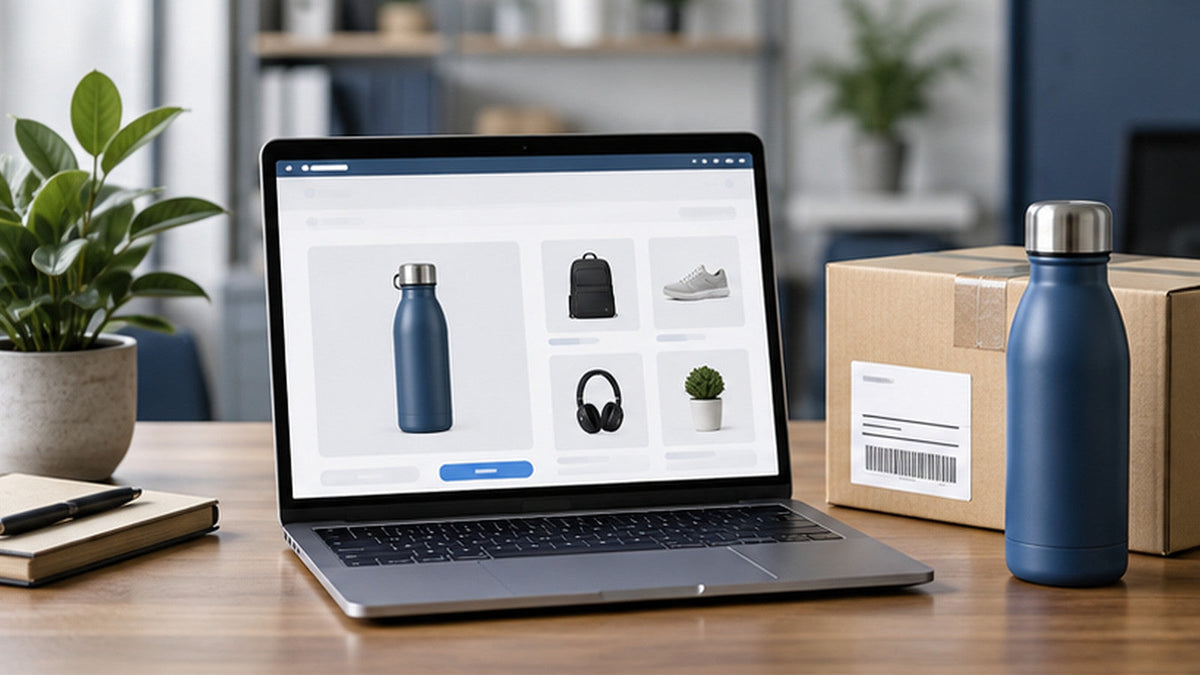
Shopify dropshipping lets you sell products through a Shopify storefront while a third-party supplier stores and ships the merchandise. You still choose the products, set the offer, take customer payments and manage the buyer relationship. The key decision is not whether you can launch without a warehouse; it is which supplier connection you can operate reliably after the first order.
What This Means for You
A Shopify dropshipping store separates two jobs. Your store handles product discovery, checkout, marketing, support and customer communication. Your supplier handles the stock and physical fulfillment under an agreed process. Shopify can connect those jobs through an app, its Collective network or a direct supplier arrangement. It does not automatically verify every supplier, make a product profitable or remove the seller's responsibilities.
Start by mapping one product from the product page to the customer's doorstep. Check the supplier's real dispatch time, tracking quality, returns route and landed cost. Then build the store around what you can honestly deliver. A polished design is useful, but it cannot repair an unreliable supply chain.
How Shopify Dropshipping Actually Works
A customer places an order and pays your store's checkout. Your store records the sale and sends the order to the supplier through the agreed workflow. The supplier picks, packs and ships the product, usually directly to the customer. Tracking comes back to your store or fulfillment app so you can update the buyer. Your business pays the supplier and incurs other expenses such as payment processing, marketing and refunds.
That sequence can be automated, partly automated or manual depending on the supplier relationship. For example, an app may synchronize stock and forward orders, while a small manufacturer might accept orders through an agreed portal or spreadsheet. Test the actual workflow rather than relying on a feature list. Specifically confirm when payment is captured, when the supplier receives the order and who intervenes when an item goes out of stock after checkout.
Unlike buying inventory in advance, dropshipping usually reduces the need for stock purchases before demand is known. It does not eliminate working-capital needs: suppliers may require payment before your payment processor releases customer funds, and refunds or advertising bills may arrive on different dates. For a broader discussion of the buyer perspective, see EcomChief's ready-made dropshipping store evaluation guide.

Three Ways to Connect Dropshipping Suppliers to Shopify
Shopify's current dropshipping guide describes three broad sourcing paths. They solve the same fulfillment problem with different levels of control, supplier choice and manual work.
1. Shopify Collective
Shopify Collective helps eligible Shopify retailers connect with other Shopify brands and offer their products. Its supported workflow can synchronize inventory and route orders between connected shops. That can suit a retailer adding complementary products to an existing audience. Check your store's eligibility, the brands available to you, the wholesale terms and the return arrangement before planning your catalog around it. Availability and capabilities can vary by store and region.
2. Dropshipping apps
A Shopify dropshipping app may help you discover suppliers, import listings, synchronize stock, submit orders and receive tracking. Each feature depends on the particular app and supplier. Before installing, compare the actual supplier locations, dispatch estimates, sample quality, current app fees, error handling and return policies. Do not assume an advertised automation feature covers every supplier or shipping destination.
The common trap is importing a large catalog before checking whether the products are worth selling. Start with a small set you can explain well. Replace generic supplier descriptions with original copy and verified measurements, images and delivery expectations. If multiple suppliers appear in one customer order, test whether the resulting packages, charges and delivery dates are understandable at checkout.
3. A direct supplier relationship
You can also work with a manufacturer, wholesaler or specialist retailer directly while using Shopify as your sales channel. This route can give more control over packaging, product variations and commercial terms, but it may require custom order routing, stock updates and reconciliation. A direct supplier is not automatically better than an app-connected supplier: operational reliability matters more than the label.
Ask for a written operating agreement covering which products are available, the price list, shipping countries, dispatch cutoffs, tracking, damage claims, inventory updates and returns. If the supplier cannot supply basic evidence or respond to a test order, a beautiful catalog is not enough.
Choose a Supplier Route Using the Work You Can Manage
The right connection depends on your product category, target country, expected order volume and tolerance for manual work. Treat this as an operational choice rather than a search for the longest app feature list.
| Route | Useful when | Verify before launch |
|---|---|---|
| Shopify Collective | You want to offer relevant products from connected Shopify brands and your store is eligible. | Eligibility, supplier acceptance, product margins, shipping coverage and the return process. |
| Supplier app | You want catalog discovery and a supported order connection without building a custom integration. | App and supplier fees, inventory sync, actual dispatch times, tracking quality and support. |
| Direct supplier | You need specialized products, negotiated terms or a closer manufacturing relationship. | Order-transfer method, stock feed, packaging, service levels, replacement stock and backup supply. |
For a first Shopify dropshipping store, fewer products with reliable fulfillment are easier to control than hundreds of untested listings. If a supplier is serving multiple marketplaces, confirm whether it can identify your orders correctly and honor the shipping promises displayed on your own store.

Shopify Dropshipping Costs: Calculate the Order, Not Just the Product
Your cost structure usually includes the Shopify subscription, any paid apps, a domain, payment processing, product cost, supplier shipping, customer acquisition, returns and the time needed to run support. Actual fees depend on your plan, provider, location, payment method and supplier. Check the live terms rather than copying a universal monthly-cost claim from another store's example.
The important figure is the amount left from a sale after its variable costs. A product with an attractive supplier price can be unprofitable when shipping, advertising and refund exposure are included. Build a simple contribution calculation before spending on traffic.
An illustrative order calculation
Suppose your store sells a product for $50. These are hypothetical planning assumptions, not EcomChief results or industry benchmarks:
- Supplier product charge: $21.
- Supplier shipping and packaging: $6.
- Payment processing and transaction charges: $2.
- Advertising cost attributable to the order: $12.
- Allowance for expected refunds and replacements: $3.
That leaves $6 in contribution per order before fixed store expenses, other operating costs and taxes. A higher-than-planned ad cost or a return can quickly erase it. If the product sells without paid ads, marketing cost may be lower, but creating organic content still takes resources. Calculate both the order economics and the monthly cash needed to sustain the business.
Use EcomChief's dropshipping profit calculator to stress-test your own assumptions. Run at least three cases: your expected costs, more expensive customer acquisition and a slower shipping or higher-refund scenario. If the margin works only under your most optimistic case, reconsider the product or price before launch.
A Practical Shopify Dropshipping Setup Sequence
Build the minimum reliable system first. These steps keep setup work connected to the real customer journey rather than treating store design as the whole business.
- Choose one customer problem and a narrow product group. Define the buyer, country, use case and clear reason to purchase. Check whether the product has safety, labeling or category-specific restrictions before listing it.
- Validate the supplier before importing the full catalog. Request sample orders to your target destination. Compare packaging, quality, tracking, actual delivery time and the supplier's response to a problem.
- Configure Shopify's core store settings. Set your business information, appropriate market and currency settings, domain, payment provider, contact details, tax approach and customer-facing policies according to your circumstances. Verify the current platform requirements directly.
- Connect one supplier route. Set up Collective, the app or the direct integration. Map SKUs carefully, test inventory changes and confirm what the supplier receives when an order is placed.
- Write useful product pages. Include accurate dimensions, materials, compatibility, care, realistic imagery, what is in the box and shipping expectations. Remove unsupported claims and inaccurate imported text.
- Test checkout and an end-to-end order. Check mobile navigation, variants, shipping charges, confirmation emails, payment status, cancellation, tracking and your refund route. Use Shopify test tools where available; place a real sample order where an actual supplier handoff needs checking.
- Launch a measured acquisition test. Start with a manageable product and traffic budget. Track visits, add-to-cart actions, conversion, gross contribution and support issues. Do not interpret a few clicks or one sale as proof of stable demand.
You can shorten the design stage by buying a starter store, but you should still run the supplier, product and checkout checks. A transferred storefront and its product listings are not evidence that a supplier relationship, external account or past earnings will transfer with it.

What Happens After an Order: Fulfillment and Customer Support
The customer bought from your store, so the experience still belongs to your business even when a supplier touches every parcel. Define who checks delayed orders, who contacts the carrier, who approves a replacement and who updates the buyer. Do not wait for the first complaint to discover that the supplier only answers messages twice a week.
Set a daily exception routine: review orders without supplier confirmation, orders with stale tracking, low-stock products and customers waiting for a reply. Use automation to surface problems, not to conceal them. A low-cost app that imports products perfectly but fails to report fulfillment errors can create expensive support work.
When several suppliers fulfill one cart, a buyer may receive separate parcels. Make that possibility clear where relevant, and avoid promising one delivery date when the items have different origins. Keep order and fulfillment records so you can reconcile supplier charges, customer refunds and damaged items. As volume grows, document the process so a team member can handle exceptions consistently.
Your Responsibility Does Not End With the Supplier
Shopify's dropshipping compliance guidance says merchants need to follow the laws and rules that apply to the products they sell, including product safety and relevant shipping, refund and pricing requirements. Requirements differ by the seller's location and each market served. This guide is operational information, not legal or tax advice.
Before selling, confirm the evidence needed for your category and destination. Depending on the product, that may mean safety instructions, proper markings, applicable certifications, import documentation or recall checks. A supplier's generic assertion that a product is compliant is not a substitute for evidence relevant to your markets.
Publish accurate processing and shipping information, any additional charges customers need to know, accessible contact details and a refund policy that matches what your business can fulfill. If the supplier ships from abroad, verify customs and import arrangements rather than assuming the buyer understands them. Your customer should not have to investigate which business is responsible when an order goes wrong.
Build From Scratch or Use a Ready-Made Shopify Store?
Building from scratch gives you direct control over every product decision, app and design choice. It also means making all of those decisions yourself before you can run a meaningful test. A ready-made store can reduce setup work when its theme, navigation and starter catalog fit your niche. Neither model includes a working customer-acquisition strategy merely because the storefront is online.
If you are considering a starter asset, check what is actually delivered: store ownership or transfer arrangements, theme and product content, domain details, supplier setup information, the handover process and any continuing subscriptions. Ask separately about payment accounts, advertising accounts, supplier agreements, sales history and customers. Do not assume those transfer unless the listing and evidence explicitly say so.
EcomChief offers ready-made ecommerce and dropshipping store foundations for buyers who want to compare a configured starting point with building a Shopify storefront themselves. Review each listing for its actual inclusions, then apply the same supplier and profitability checks you would use for a self-built store. For handover and ownership questions, consult the ready-made business FAQ.
The EcomChief Seven-Point Pre-Launch Gate
Use this practical checklist to decide whether the store is ready for a small real-world test. An unanswered item is work to complete, not a detail to ignore because the homepage looks finished.
- Product proof: A sample or trustworthy first-hand evidence confirms materials, function, accuracy and packaging for the actual item you list.
- Supplier proof: You have a named contact, working order route, clear dispatch commitments and a documented resolution process.
- Delivery proof: The tested destination, shipment tracking and published delivery expectation agree.
- Margin proof: A conservative order calculation leaves acceptable contribution after shipping, payments, acquisition and a returns allowance.
- Store proof: The product page, cart, payment, mobile checkout, confirmation emails and contact route have been checked.
- Policy proof: Your shipping, refund, product-safety and market-specific obligations have been reviewed and the relevant disclosures are visible.
- Exception proof: Someone is responsible for stockouts, delays, damage, chargebacks and customer messages, with a backup supplier or fallback decision where necessary.
For a new store, launch a small, controlled test only after these checks. Review what customers actually ask, where orders slow down and whether the contribution calculation matches real invoices. Then improve the system before expanding the catalog or advertising budget.
Final Decision: Make Fulfillment the Starting Point
Shopify dropshipping is a way to operate an online store without stocking every item yourself; it is not a way to avoid product, service or financial decisions. Select your supplier route, verify one complete order, calculate the true contribution and publish realistic policies before buying traffic. If you prefer a configured storefront foundation, compare EcomChief's available ecommerce and dropshipping stores and evaluate each listing against the seven-point gate above.
Related reading
All articles

Free Online Business Calculators
Estimate costs, profits, ROI, affiliate earnings, and business value before you spend money.