The “Mass Refund” Fear: How to Avoid Supplier Shocks After Buying a Dropshipping Store
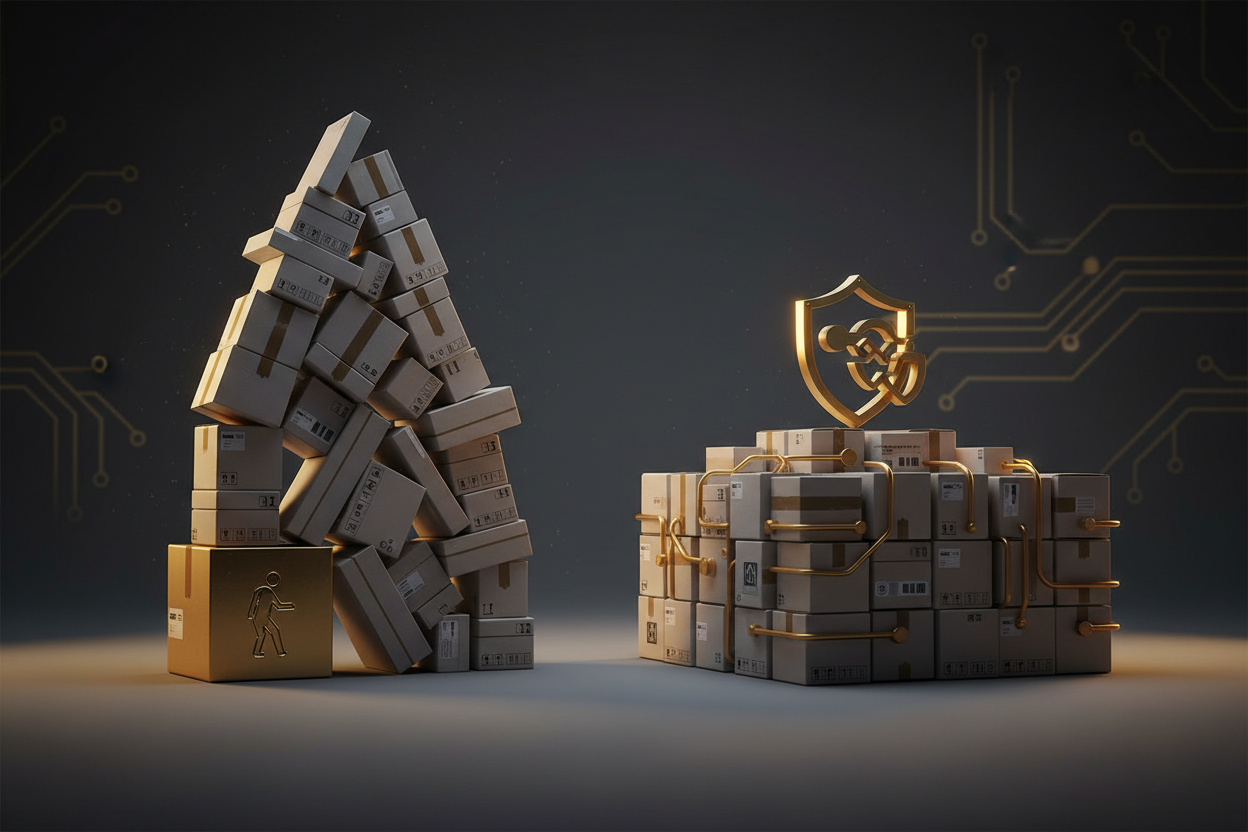
Most sellers will look you in the eye and say, “Don’t worry, my supplier is super reliable.”
And sure… maybe they were reliable last month.
But if you’re buying a dropshipping store, here’s the technical truth: relying on one third-party seller is a ticking time bomb. Not because you’re doing anything wrong — but because you don’t control the thing that matters most: inventory availability and the supplier’s pricing decisions.
Let me walk you through the exact fear buyers have, why it happens, and how to protect yourself from the nightmare scenario: mass refunds.
The Hook: The “Mass Refund” Fear
Key takeaway: Viral demand is only good news if you can fulfill. One supplier shock can turn a winning store into a refund wave overnight.
Picture this.
You just acquired a store that’s scaling beautifully. On Day 3 of your ownership, a TikTok ad goes viral and you get 200 orders in a rush. You’re already imagining the next ad budget bump.
Then you open the fulfillment dashboard and see a red banner:
Out of stock. Manufacturer supply paused. Wholesale price doubled.
That’s when the panic hits. Because now you’ve taken money you might not be able to honor. And in dropshipping, that’s how you get destroyed fast: angry customers, refund requests, chargebacks, payment issues, bad reviews — the whole mess.
The reason this happens is simple: the seller didn’t own inventory. So they had zero control over the manufacturer’s stock levels, pricing changes post-purchase, or whether the supplier would even keep the listing alive.
This guide is here to replace that anxiety with a clear protocol: what changes after purchase, how to audit the supplier network, and how to build contingency plans so you’re never forced into mass refunds.

The “Easy” Assets (What Transfers Instantly)
Verdict: Domains, store access, and brand files transfer quickly — but those don’t protect you from supply shocks.
The handover usually looks clean on the surface:
- The domain gets pushed to your registrar (often within an hour).
- The store architecture (Shopify or WooCommerce) transfers to your email (instant).
- Brand assets like logos, creatives, product descriptions get handed over.
But there’s a small trap here too: you still need to verify the seller actually owns those visuals and isn’t just borrowing them from the manufacturer. If you want to protect yourself, read this:
Do I Own the Intellectual Property? How to Audit IP Risks When Buying an Online Business
All that said — none of those “easy assets” save you when supply chain shocks hit.
The “Hard” Asset: The Supply Chain (The Grey Area)
Key takeaway: Dropshipping inventory risks aren’t “part of the game.” They’re the game — and a single supplier is a single point of failure.
Here’s the cold truth: dropshipping inventory risks aren’t just “part of the game.” They’re the game.
Because you’re not buying physical stock. You’re buying access to stock through supplier relationships. And if those relationships are weak, the store is fragile no matter how pretty the website looks.
The biggest danger is the single point of failure trap.
If the store is hard-coded to one AliExpress merchant (or one random third-party seller), you’re exposed. If that seller deletes the listing, stops responding, runs out of stock, or changes pricing post-purchase, your margins vanish instantly.
The pre-purchase audit question (non-negotiable)
Ask the seller this, word for word:
“Who is the primary supplier, and what are the exact contingency plans if they run out of stock?”
If the answer is “I don’t know” or “I just order manually,” you’re not buying a stable business. You’re buying a glass house.
The “Shock” Risk: Why Post-Purchase Inventory Changes Kill Stores
Verdict: Stock-outs and cost spikes trigger refunds, chargebacks, review damage, and ad performance decline.
Supply chain shocks happen all the time:
- factory shutdowns
- holiday delays
- shipping disruptions
- the manufacturer discontinuing the “winning product”
- sudden cost spikes when demand surges
And the consequence is brutal: you collect customer payments, but you can’t fulfill orders. Then you’re forced into mass refunds, and that sets off a chain reaction:
- chargebacks
- payment gateway holds or bans
- a wave of 1-star reviews
- your ad performance drops because trust signals tank
This also feeds into the fear of late or defective orders, which is completely rational. We cover that here:
The Dead-on-Arrival Fear (and Why It’s Rational)
The fix is not “hope for the best.” The fix is to move away from public third-party sellers and build fulfillment through either:
- private dropshipping agents, or
- a 3PL (Third-Party Logistics) provider
…with real-time inventory syncing and more predictable stock control.
The Protocol: How to Survive Pricing & Stock Fluctuations
Key takeaway: You prevent mass refunds with redundancy (multi-sourcing) and automation (stock + pricing safeguards).
You can’t stop a supplier from raising prices. But you can build a system that doesn’t collapse when it happens.
Step 1: Multi-sourcing (your first line of defense)
Never buy a store where the best-selling product can only be sourced from one place. Before handover, identify at least three backup suppliers carrying the same SKU (or a true equivalent) using platforms like AutoDS, Zendrop, or CJ Dropshipping.
That’s how you survive post-purchase inventory changes without panic.

Step 2: Automated inventory safeguards (stop overselling)
Make sure the store has software that monitors inventory availability at the supplier level. If stock drops below 10 units, it should automatically mark the product Sold Out on your storefront.
This single rule prevents the worst-case scenario: taking money for something you can’t ship.

Step 3: Pricing buffers (so margin doesn’t vanish overnight)
If wholesale pricing changes post-purchase, you need either:
- dynamic pricing that adjusts retail price automatically, or
- enough built-in margin (aim for at least 3X markup) so you can absorb a temporary 10–15% cost increase without going negative.
That buffer is what keeps a “viral day” from turning into a refund disaster.
Don’t Buy a Store Built on Sand
Key takeaway: Unstable supply is inevitable. Mass refunds are optional — if you buy an asset with redundancy, automation, and real contingency plans.
High revenue means nothing if the supply chain is brittle.
Unstable supply chains and supply chain shocks are inevitable in dropshipping. But mass refunds are optional — if you buy an asset with redundancy, automation, and real contingency plans.
At Ecom Chief, we vet backend fulfillment systems so you step into a resilient operation, not a logistical nightmare.
Final Word
Verdict: Stop guessing if your suppliers will disappear after purchase — verify the fulfillment network before you scale.
Stop guessing if your suppliers will disappear after you buy the store. We verify the fulfillment networks so you can scale with confidence.
Looking to acquire a business with a stable, vetted supply chain?
Video Recommendation
Key takeaway: Watch this to spot single points of failure and build backups before the next viral spike hits.
This video is worth your time because it drills into what makes or breaks a store after purchase: supplier tiers, how to vet reliability, and how to avoid the trap of unverified third-party sellers. Watch it with one goal: identify where your store has a single point of failure, then build your backups before you scale.
If you’re taking over a store right now, watch it with one goal: spot where you’re still relying on a single supplier or manual checks. Then fix those weak points before the next viral moment hits.
Related reading
All articles


Free Online Business Calculators
Estimate costs, profits, ROI, affiliate earnings, and business value before you spend money.