AffiliateNiches
Amazon Prime Day 2026: 7 Profitable Niches for Starting an Amazon Affiliate Business
What can Amazon Prime Big Deal Days 2026 teach new affiliate marketers? Explore seven product niches, validation methods, realistic setup steps and seasonal SEO tips.
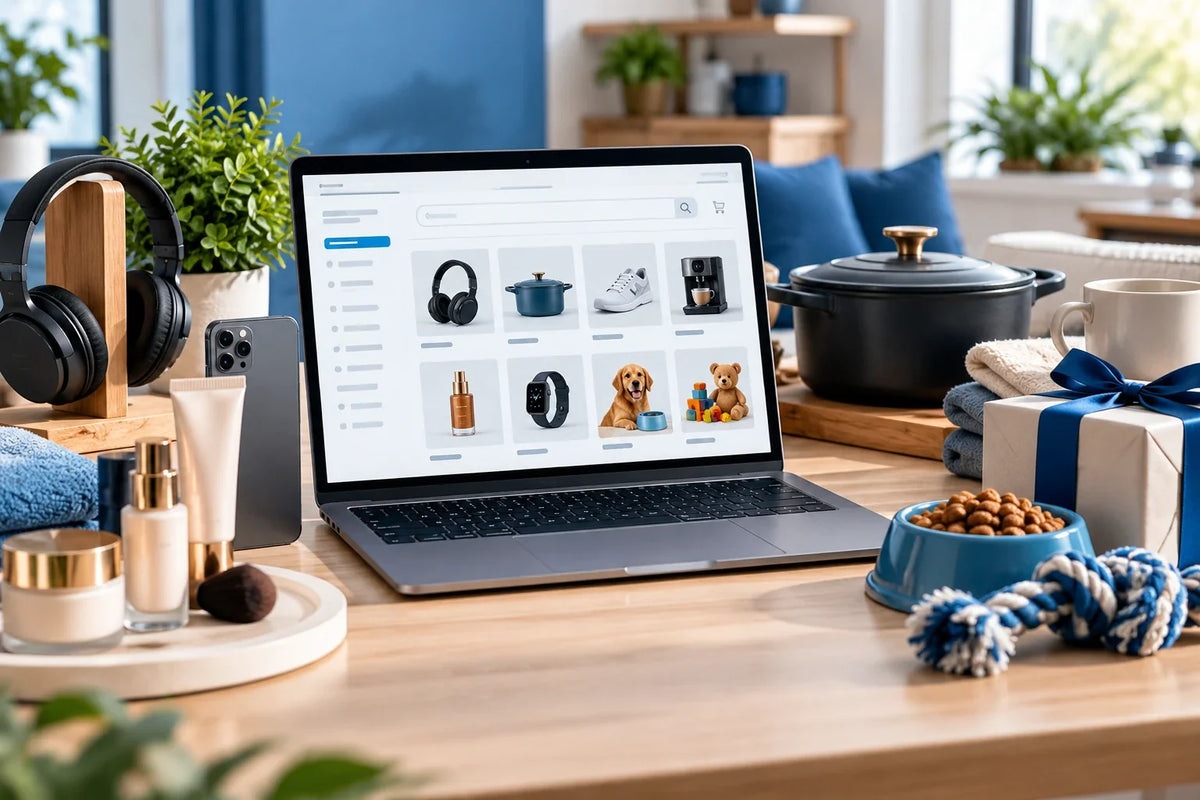
Amazon Prime Day 2026 offers more than a snapshot of discounts. For people researching Amazon affiliate marketing, shopping events can reveal the products consumers compare, the problems they want solved, and the questions they ask before purchasing. Amazon’s October Prime Big Deal Days event has now finished, but the research opportunities extend well beyond a two-day promotion.
In the United States, Google Trends flagged substantial interest in “amazon prime days” around the October shopping period. The supplied seven-day trend report showed a 1M+ search-volume range for that shopping-related phrase. That is not a count of people wanting to start an affiliate business—and it does not establish whether any niche will be profitable. It is a useful signal to investigate, not a business forecast.
This guide explores seven product categories, how to assess competition and buying intent, and the practical steps required to build an Amazon Associates website before the next major sales season.
What Happened During Amazon Prime Big Deal Days 2026?
Amazon held Prime Big Deal Days on October 6–7, 2026, offering Prime members a 48-hour retail event across electronics, fashion, beauty, home, kitchen, toys and other categories. Amazon’s official coverage also highlighted pet supplies, espresso machines, smart-home devices and holiday gifting. By October 8, the event was over; limited-time offers should not be presented as still available.
The most useful lesson for an entrepreneur is about shopping behavior. Shoppers look for comparisons, compatibility advice, product reviews and gift recommendations before and during sales. An affiliate publisher can create useful content around those questions throughout the year, then update it for seasonal events. See Amazon’s official October 2026 event report for the categories and dates.
Why Major Shopping Events Matter for Amazon Affiliate Entrepreneurs
An Amazon affiliate business publishes helpful content and may earn an advertising commission when eligible readers buy through qualifying referral links. It does not have to hold the products, ship orders or run Amazon’s marketplace checkout. An Amazon affiliate store is primarily a content and recommendation business—not a guaranteed income-producing asset.
Big sales events help identify search intent. A query such as “best noise-canceling earbuds for travel” suggests comparison research; “wireless earbuds under $100” introduces a budget; and “earbud tips for small ears” reveals a specific problem. Content that answers a distinct question can be more useful than a generic list of deals.
However, high shopper interest often brings strong competition from established retailers, publishers and video creators. Commission rates can vary by product category and program terms, while search rankings and conversion rates are uncertain. Evaluate the full economics—quality content, visitor acquisition, ongoing maintenance and possible earnings—before committing money.
7 Affiliate Niches Worth Researching
These are research candidates, not a ranking of proven profits. Each appeared in or is closely related to product categories featured during the October event. Focus on specific audiences and problems, rather than trying to compete for broad “best Prime Day deals” keywords.

1. Consumer electronics and accessories
Headphones, chargers, desk accessories and smart-home devices appeal to shoppers comparing features and compatibility. A practical site could specialize in work-from-home tech for small apartments, with articles about laptop docks, monitor arms and budget microphones. Reviews, setup guides and comparison tables provide more value than a page of untested recommendations.
What to validate: the strength of existing review websites, how fast products become outdated, accuracy of technical claims and whether the available commission structure can support the content effort. Do not publish fabricated hands-on test results.
2. Home and kitchen products
Home storage, cookware, vacuums and small appliances create recurring questions about size, materials and everyday usability. An affiliate website could target small-space kitchen organization and publish measuring guides, material comparisons, maintenance tutorials and curated collections for renters.
What to validate: whether searchers want information or are ready to buy, how clearly you can differentiate from large lifestyle sites, the durability of product availability and the credibility of claims about performance or safety.
3. Pet products and accessories
Pet owners frequently research beds, carriers, collars, grooming brushes and enrichment toys. A focused site might serve new apartment-dwelling dog owners through sizing guides, travel checklists, cleaning advice and comparisons that explain which products fit particular lifestyles.
What to validate: repeat informational demand, trusted product specifications, competition and product safety. Avoid unsupported veterinary or health claims; direct medical questions to qualified professionals.
4. Beauty and personal care
Skincare accessories, makeup storage, hair tools and beauty devices can inspire routines, gifting guides and comparison content. A niche website could focus on beauty tools for frequent travelers, explaining charging standards, packing sizes, care requirements and differences between product types.
What to validate: saturated search results, brand restrictions, product freshness and the need for evidence-based claims. Personal care recommendations should never promise clinical results without support.
5. Health and fitness equipment
Exercise mats, adjustable dumbbells, resistance bands and workout accessories attract buyers comparing dimensions, portability and ease of use. A site for home workouts in limited spaces could publish equipment measurements, beginner setup guides and storage comparisons.
What to validate: accuracy of load ratings, safety information, availability and search competition. Keep fitness education separate from medical advice; never imply a product can treat a condition simply to increase clicks.
6. Coffee and kitchen appliances
Amazon’s October event featured espresso machines and kitchen appliances, making coffee a useful sub-niche to evaluate. A content site could serve beginner home baristas on a budget, comparing grinder types, countertop space, cleaning routines, reusable accessories and brew methods.
What to validate: whether broad coffee keywords are dominated by established publishers, how much technical experience credible guides require, and whether specialty long-tail queries have enough sustained demand to justify an entire website.
7. Toys, hobbies and gifting
Building sets, board games, hobby supplies and seasonal gifts tend to attract comparison searches ahead of holidays. A specialized publisher could cover screen-free gifts for families and create age-aware gift guides, storage ideas and activity suggestions that stay useful beyond one promotion.
What to validate: product age guidance, safety standards, short-lived trends, inventory changes and the seasonal nature of interest. Build evergreen hobby resources to avoid depending entirely on November and December traffic.
Practical filter: shortlist two niches and evaluate 20 specific search queries in each. Record search intent, leading competitors, available products, unique content angles and how often the information must be updated. Choose the niche where you can offer the clearest independent value—not merely the biggest headline trend.
Amazon Affiliate Website vs Amazon FBA Business
The names sound similar, but the operating models are different. With Amazon Associates, the website owner creates content and earns qualifying referral commissions under the program’s rules. Amazon handles the marketplace transaction and fulfillment for purchases made on Amazon. The publisher normally does not buy stock just to operate the referral website.
With Fulfillment by Amazon (FBA), a seller lists and sells their own inventory through Amazon, while Amazon provides eligible storage, picking, packing, shipping and certain customer service functions. Inventory purchasing, selling fees, returns and seller compliance can create significant operational responsibilities.
For that reason, searching for an “Amazon FBA business for sale” and searching for an “Amazon affiliate website for sale” do not describe interchangeable investments. Before purchasing any online business, verify its exact business model, what assets transfer, program-account eligibility, expenses and historical evidence of results.
How to Start an Amazon Affiliate Website
- Select a narrow audience and niche. Identify recurring product questions, not just temporary discount searches. Look for situations where a well-researched guide would make a buying decision easier.
- Validate the search landscape. Review Google Trends for seasonality and use search-result analysis to identify the formats already ranking. A spike alone is insufficient; compare it with year-round demand and realistic competition.
- Register an appropriate domain and build a usable site. Organize content into clear categories, create an About and Contact page, and make navigation, mobile speed and accessibility priorities.
- Publish substantive, honest content. Start with comparison guides, educational articles, buyer checklists and clearly sourced specifications. Distinguish direct product testing from desk research.
- Apply to Amazon Associates when the site is eligible. Review the current eligibility, application and qualifying-purchase requirements directly in Amazon Associates Central. Approval and continued participation are not automatic.
- Follow disclosure and linking rules. Amazon requires site-level identification such as “As an Amazon Associate I earn from qualifying purchases.” The program guidance and FTC guidance also address clear, conspicuous disclosures near compensated recommendations. Follow Amazon’s current rules on links, prices and product imagery.
- Build traffic and monitor performance. Use search engine optimization, suitable social channels and consistent content updates. Measure impressions, clicks, engagement and qualifying earnings without assuming future results will resemble an exceptional sales week.
Why Some Entrepreneurs Choose a Ready-Made Amazon Affiliate Website
Building a site from zero can require substantial time for domain selection, structure, design and initial articles. A ready-made Amazon affiliate website can reduce that setup workload, allowing an entrepreneur to focus sooner on improving content, building an audience and applying to relevant affiliate programs.

EcomChief offers ready-made Amazon-oriented businesses and affiliate-style stores and a separate affiliate business collection. Check the description of the individual listing to confirm whether it is an Associates referral website, an FBA-related business or another model, along with exactly what is included and available now.
A turnkey Amazon affiliate business does not automatically provide organic traffic, an approved Amazon account or recurring commissions. Anyone considering a purchase should understand the ongoing editorial and marketing work. For a buying-focused checklist, read EcomChief’s separate guide to buying and growing an Amazon Associates site.
Preparing for Future Prime Day, Black Friday and Holiday Shopping Demand
The best seasonal strategy begins well before the next event. Pages published early can earn relevant links, be indexed and be improved based on reader questions. Use this operational checklist:
- 8–12 weeks beforehand: review last year’s search patterns, identify evergreen articles worth updating and choose product categories based on durable audience needs.
- 4–8 weeks beforehand: publish comparison guides, gift lists, size and compatibility explanations, and product-selection checklists.
- 2–4 weeks beforehand: improve internal links, check mobile usability, refresh product availability and disclose compensated links appropriately.
- During the event: verify each current offer from its original source before mentioning a deal. Remove or update expired prices promptly.
- Afterward: review search and engagement data, keep useful evergreen resources online and turn repeated questions into articles for the next shopping season.
Consider supporting a niche website with broader ecommerce business research, but avoid creating overlapping low-value pages just to target every seasonal keyword. The goal is a useful editorial library that grows over multiple cycles.
Frequently Asked Questions
When was Amazon Prime Big Deal Days 2026?
It ran on October 6–7, 2026. That event is now complete. Check Amazon’s official announcements for dates of any future sales events.
Is Prime Big Deal Days the same as the main Amazon Prime Day?
No. Both are Amazon shopping promotions, but the October Prime Big Deal Days event is distinct from the main Prime Day event. Do not assume they have the same dates, promotions or eligible products.
Can beginners start Amazon affiliate marketing without inventory?
Yes. The Amazon Associates referral model generally does not require the publisher to own or ship inventory. It does require a useful website or qualifying channel, program compliance and audience development.
Which Amazon affiliate niche is most profitable?
There is no universally most-profitable niche. Potential earnings depend on traffic quality, competition, commission categories, product demand, trust and operating costs. Validate a specific audience and content strategy before purchasing a domain or business.
Do I need Amazon Associates approval before buying a website?
You can purchase a website asset separately, but an existing website does not guarantee Associates acceptance or transfer an approved account. Check Amazon’s current rules and the terms of any acquisition.
Can a ready-made Amazon affiliate website earn money immediately?
Not necessarily. Website delivery, search visibility, affiliate approval and qualifying commissions are separate milestones. Evaluate marketing work and cash-flow assumptions realistically.
How can I research Prime Day keywords after the sale ends?
Use Google Trends to compare seasonal interest with broader time ranges, inspect actual search results for query intent and build evergreen tutorials or comparisons that remain helpful throughout the year.
Final Takeaway: Turn Shopping Interest Into Useful Content
October’s Amazon Prime Big Deal Days showed strong interest in shopping across electronics, home, pets, beauty and gifting. For an entrepreneur, the opportunity is not to chase every deal headline. It is to select a specific audience, research real questions, create trustworthy recommendations and measure progress over time.
Want to bypass some of the initial website setup? Explore EcomChief’s available Amazon-oriented websites and stores, confirm each listing’s exact model and inclusions, and choose a niche you are willing to develop for the long term.
Editorial sources: Amazon Prime Big Deal Days 2026; Amazon Associates Operating Agreement; FTC Endorsement Guides FAQ. Product references illustrate research categories, not active deal claims. This article is educational and does not promise earnings.
Related reading
All articles


Free Online Business Calculators
Estimate costs, profits, ROI, affiliate earnings, and business value before you spend money.