
AmazonAffiliate
How to Start an Amazon FBA Business in 2026
Amazon FBA is one of the fastest ways to sell online because Amazon handles storage, shipping, and customer service. This quick guide walks you through product research, supplier sourcing, inventory prep, listing...
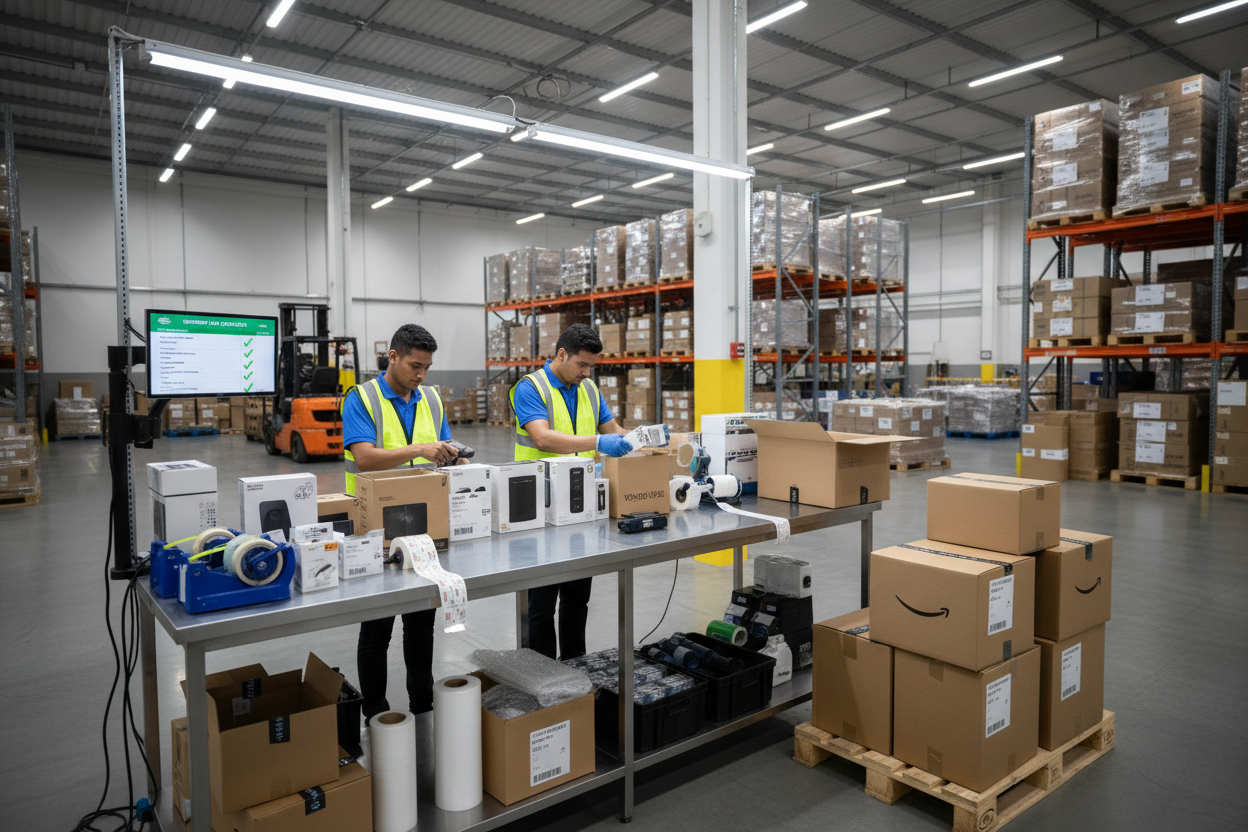
How to Start an Amazon FBA Business (2026): The Simple Step-by-Step Guide
If you like the idea of selling online but hate the idea of packing boxes all day, Amazon FBA is a solid model to look at.
FBA stands for Fulfillment by Amazon. You send your products to Amazon, and they handle storage, shipping, returns, and customer support. Your job is to pick the right product, build a strong listing, and keep inventory moving.
Here’s the full process, without the fluff.
Step 1: Choose a product that can actually win
A good FBA product usually hits these basics:
- Demand is real: People already buy it every day (check Best Sellers, search volume tools, and competitor listings).
- Competition is survivable: If page one is all huge brands with thousands of reviews, that’s a tough first battle.
- Margin makes sense: You need profit after product cost, shipping to Amazon, Amazon fees, and ads.
- You can improve it: A slightly better bundle, better photos, clearer instructions, or better packaging can be your edge.
Tip: Don’t go “all in” immediately. A small test order can save you from a very expensive lesson.

Step 2: Source suppliers you can trust (not just “cheap”)
Once you have a product idea, find suppliers and vet them hard.
Common places to source:
- Alibaba (huge selection, often best for private label)
- GlobalSources (more verification, often higher quality)
- Thomasnet (North American suppliers/manufacturers)
What to do before a big order:
- Get samples (always)
- Ask about MOQ, lead time, packaging, and quality control
- Confirm they can support consistent restocks (this matters more than your first order)
Step 3: Set up your Amazon Seller account (properly)
To sell on Amazon you’ll create a Seller account, add your business details, and select the right plan (most FBA sellers use the Professional plan).
Do this carefully. Clean setup now prevents headaches later (verification issues and payout delays are real).

Step 4: Prep and ship inventory to Amazon
Amazon has strict requirements. You’ll typically need:
- FNSKU labels (Amazon’s barcode tracking)
- Proper packaging/prep based on category rules
- A shipment plan inside Seller Central so Amazon knows what’s coming
If prep is wrong, you’ll get delays, extra fees, or inventory problems right at launch.
Step 5: Create a listing that converts
Your listing is your salesperson. Make it do its job:
- A title that matches how people search
- Clear bullet points that sell benefits, not just specs
- High-quality images (these matter more than most people think)
- A description that removes doubt (shipping expectations, what’s included, how to use it)
Do basic keyword research and naturally include the terms buyers use. Don’t keyword-stuff. Amazon buyers can smell spam.

Step 6: Manage and grow (this is where money is made)
Long-term success is mostly boring consistency:
- Inventory management: Don’t go out of stock (rank drops hurt).
- Customer experience: Reviews and returns can make or break a listing.
- Pricing discipline: Don’t race to the bottom; protect margin.
- Smart ads: Use ads to gain visibility, but watch profitability closely.
- Expand slowly: Add related products once you have a winner, not before.
If you do the basics well, FBA can scale fast—because Amazon already has traffic, trust, and a delivery engine you could never build yourself.
If you want, paste your niche + target price range + rough budget, and I’ll tell you what product types are most realistic (and what to avoid) before you spend a dollar.
Related reading
All articles

Free Online Business Calculators
Estimate costs, profits, ROI, affiliate earnings, and business value before you spend money.