
BuyingGuide
Camping Dropshipping Suppliers: How to Find and Vet Reliable Outdoor Partners
Learn how to find and vet camping dropshipping suppliers using sample orders, written terms, margin checks, risk controls, and a practical scorecard.
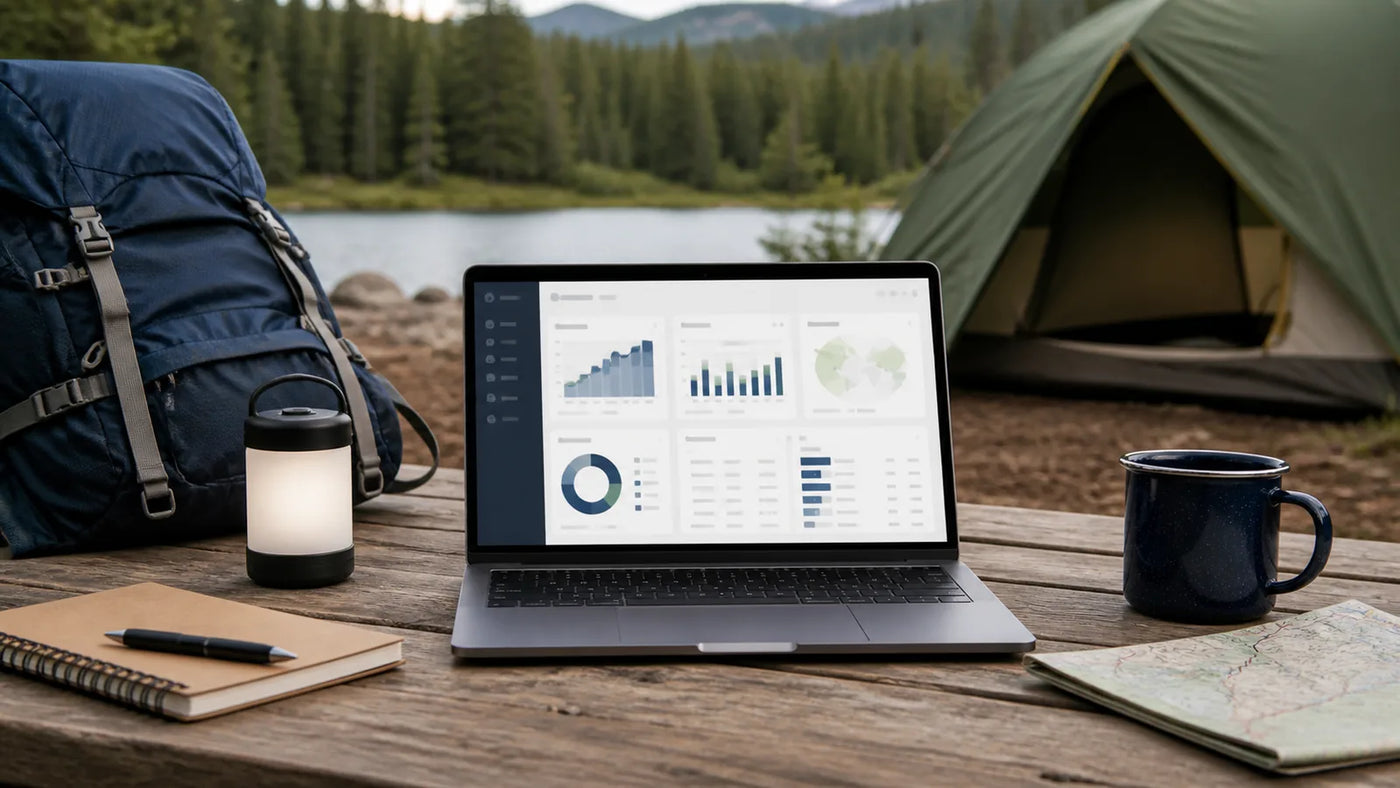
Quick answer: To find reliable camping dropshipping suppliers, define your product and delivery requirements first, then compare manufacturers, vetted directories, supplier apps, trade contacts, and direct outreach. Verify business details, order samples, test tracking and packaging, model landed margin, document returns, and keep a backup source before you scale any outdoor product.
What This Means for You
A large catalog does not make a supplier reliable. Reliability is the supplier’s ability to deliver the agreed product, quality, stock information, documentation, shipping experience, and problem resolution repeatedly.
Camping products raise practical questions that generic supplier lists often miss. Shoppers may depend on an item outdoors, carry it for hours, expose it to weather, or need it by a trip date. Product accuracy, dimensions, materials, instructions, packaging, tracking, and honest performance claims matter. Your store owns the customer relationship even when a third party fulfills the order.
This guide focuses on finding and vetting camping and outdoor dropshipping suppliers before listing products. It does not duplicate EcomChief’s separate explanation of whether ready-made dropshipping stores come with suppliers.
Start With a Supplier Requirement Sheet
Do not begin by searching for the supplier with the most products. Begin with the experience you want the customer to receive. Write a one-page requirement sheet for each product group:
- Target customer and use case
- Required product specifications and acceptable materials
- Countries you intend to sell to
- Maximum processing and delivery ranges you can communicate honestly
- Tracking requirements and preferred carriers
- Packaging, inserts, and branding rules
- Return, replacement, and damaged-item process
- Minimum gross-margin requirement after product, shipping, payment, platform, refund, and marketing costs
- Evidence needed for safety, performance, or compliance claims
- Backup-supplier requirement for high-volume items
This prevents a common mistake: falling in love with a catalog before checking whether the operating model fits your market.

Where to Find Camping and Outdoor Dropshipping Suppliers
Manufacturers and Authorized Distributors
Search for companies that make or officially distribute the product category. Direct relationships can improve product knowledge and documentation, but some businesses require minimum orders or do not support single-order fulfillment. Ask, do not assume.
Supplier Apps and Curated Directories
Apps and directories can make catalog browsing, inventory updates, and order routing easier. They are discovery tools, not substitutes for due diligence. Check who fulfills the order, where inventory is held, how returns work, and whether the displayed data is current.
Trade Shows, Associations, and Industry Contacts
Outdoor-industry events and associations can help you discover specialized vendors and understand category standards. A trade presence is useful context, but it does not replace sample orders and contract review.
Direct Search and Product-Led Research
Search by product category plus terms such as manufacturer, distributor, wholesale, dropship, dealer, or private label. Inspect packaging and manufacturer details on products you already know. Contact the business through independently verified channels.
Shopify-Native Sourcing Options
Shopify’s current dropshipping supplier guide outlines several sourcing channels and common warning signs. Availability, terms, countries, integrations, and fees can change, so verify every provider directly before making a decision.
The EcomChief Camping Supplier Scorecard
Use the same scorecard for every candidate. Score each area from 1 to 5, write the evidence beside the score, and define any non-negotiable failure. A high total should never override a critical safety, legality, or honesty concern.
| Area | Questions to verify | Evidence |
|---|---|---|
| Product fit | Does the catalog match the niche and customer? | Current catalog, specifications, sample |
| Quality | Does the item match its description and expected use? | Sample inspection, test notes, documentation |
| Fulfillment | How fast are processing, dispatch, and delivery in practice? | Test orders to target markets |
| Inventory | How are stock and price changes communicated? | Feed or app demo, update policy |
| Returns | Who pays, where is the item sent, and what proof is required? | Written return and replacement terms |
| Communication | How quickly and clearly are exceptions handled? | Pre-sale questions and test issue |
| Economics | Does landed margin remain viable under realistic costs? | Cost sheet and scenario analysis |
| Risk | Are claims, documents, and business details supportable? | Independent checks and records |
Shopify’s official help guidance on choosing suppliers recommends looking for legitimate business practices, knowledgeable support, reasonable policies, and dependable processing. Apply those principles to your specific countries and product types.

Run a Real Sample-Order Test
Supplier claims are inputs; test orders are evidence. Order the item as a customer would and record:
- The promised processing and delivery range
- Actual dispatch and arrival dates
- Tracking accuracy and carrier handoffs
- Outer packaging condition and unnecessary supplier branding
- Product match against photos, dimensions, materials, and included parts
- Instructions, labels, and warnings
- Customer-support response to a realistic question
- The return or replacement experience, where appropriate
For camping dropshipping products, test the feature that drives the sale. Check dimensions with your own measurements. Confirm weight. Inspect stitching, closures, connectors, coatings, or batteries where relevant. Do not advertise waterproofing, load capacity, temperature ratings, safety protection, or compatibility unless you have reliable support for the claim and it is lawful in the target market.
A single successful sample is not proof of permanent performance. Repeat testing when the supplier, warehouse, product version, or market changes.
Calculate the Landed Margin Before Listing
The catalog price is not the full cost. Model at least:
- Product and shipping cost
- Transaction and platform costs
- Apps or supplier-service fees
- Discounts and expected refund or replacement allowance
- Currency movement or duties where applicable
- Customer-support and marketing costs
Use conservative inputs and test best, expected, and weak scenarios. EcomChief’s Dropshipping Profit Calculator can help organize the arithmetic. Its result is an estimate based on your inputs, not a guarantee of profit.
If you want to start from a prepared storefront rather than a blank theme, you can also review EcomChief’s ready-made ecommerce and dropshipping store options. Confirm the current product, supplier, handover, and ongoing operating details for the specific asset before buying.
Questions to Ask Every Supplier
- Are you the manufacturer, an authorized distributor, an agent, or another intermediary?
- Which countries and warehouses fulfill my target destinations?
- What are normal and peak processing times?
- How are stock, cost, and product changes communicated?
- Can orders, tracking, cancellations, and exceptions be synchronized with Shopify?
- What appears on the package, invoice, and return address?
- What happens when an item is late, lost, damaged, incorrect, or out of stock?
- Who pays for returns and replacements?
- What documentation supports materials, claims, labels, and applicable compliance?
- Can I use the supplied images and product copy commercially?
- Is there a minimum volume, membership fee, or contract term?
- What is the escalation route for an urgent customer issue?
Keep answers in writing. If important terms are agreed by call, send a written recap and ask the supplier to confirm it.
Supplier Red Flags
Pause or reject a candidate when you see:
- No independently verifiable business identity or contact information
- Refusal to provide a paid sample
- Prices that are implausibly low without a clear explanation
- Copied or inconsistent product specifications
- Pressure to pay through an unprotected or unrelated channel
- Unsupported certifications, safety claims, or performance guarantees
- Vague processing, tracking, return, or replacement terms
- Frequent stock changes with no usable update system
- Poor communication before you have paid
- Restrictions that prevent you from serving customers honestly
A professional website or fast sales reply is not enough. Verify facts through official records, carrier tests, documents, samples, and references appropriate to the deal.
Reduce Supplier Concentration Risk
One supplier may be sufficient for an early test, but relying on one untested source for every critical product creates operational risk. Identify alternatives for products that drive most sales or have strict delivery expectations.
Document each supplier’s products, warehouse, lead times, contacts, integration, costs, policies, and sample results. If you later evaluate an established ecommerce business, the same discipline supports due diligence. Flippa’s due-diligence checklist emphasizes verifying operational information rather than relying only on seller claims.
Do not silently switch to a materially different product. Recheck photos, specifications, price, delivery, and claims, then update the product page before sending customer orders to the new source.

A 30-Day Supplier-Vetting Plan
- Days 1–3: Define the customer, five candidate products, target countries, and non-negotiable requirements.
- Days 4–8: Build a longlist from several sourcing channels and verify business identities.
- Days 9–12: Request written terms, integrations, product documentation, and total costs.
- Days 13–21: Place sample orders to representative destinations and record every step.
- Days 22–25: Score quality, delivery, communication, economics, returns, and risk.
- Days 26–28: Select a primary and backup candidate for each critical product.
- Days 29–30: Finalize product-page evidence, policies, monitoring rules, and escalation contacts before launch.
Monitor Supplier Performance After Launch
Approval is not permanent. Create a monthly supplier dashboard with actual processing time, delivery time, tracking availability, cancellation rate, damage or defect reports, stock accuracy, support response time, refund cost, and customer complaints. Separate supplier-caused issues from your own product-page, address, or order-routing errors so the decision is fair.
Define thresholds before volume grows. For example, decide when a late-order pattern triggers a pause, when a specification change requires new samples, and when repeated stock errors move orders to the backup source. Review high-risk products more often and keep a dated record of every corrective action.
Customer feedback can reveal problems a single sample misses, but do not wait for a serious complaint to investigate. Reorder samples periodically, especially after a warehouse change, long stockout, packaging redesign, or unexplained price shift. If the evidence no longer supports the promise on your product page, pause the listing or change the promise before taking more orders.
Final Camping Supplier Checklist
- The supplier’s identity and role are independently verified.
- Samples match the product description and intended use.
- Processing, delivery, tracking, and packaging have been tested.
- Stock and price changes can be detected quickly.
- Returns, replacements, and escalation steps are written.
- Margin remains workable under conservative scenarios.
- Claims and documentation are supportable in the target market.
- A backup plan exists for important products.
Reliable camping dropshipping suppliers are found through a repeatable process, not a directory shortcut. Define the experience, collect evidence, test the operation, model the economics, and keep monitoring after launch. That work helps you protect both customer trust and the store you are trying to build.
Related reading
All articles

Free Online Business Calculators
Estimate costs, profits, ROI, affiliate earnings, and business value before you spend money.