
Marketing
Burger King’s Whopper Sales Surge: 7 Ecommerce Marketing Strategies Online Stores Can Copy
Burger King refreshed its iconic Whopper, listened to customers and strengthened how the product was presented and promoted. Here are seven practical lessons ecommerce brands can apply to products, branding and conversion...
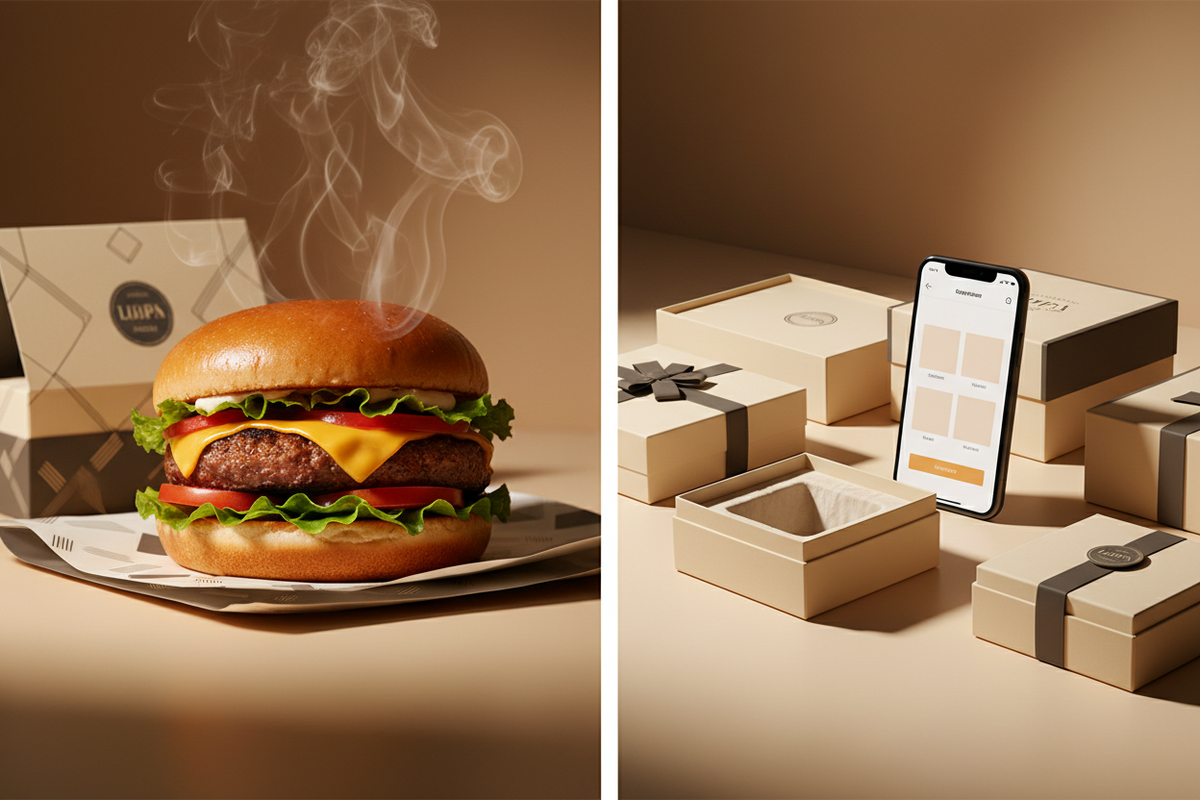
Ecommerce marketing strategies work best when marketing is connected to a product customers genuinely want. Burger King’s 2026 Whopper refresh provides a useful example: instead of replacing its best-known product, the company improved its presentation and ingredients, responded to customer feedback and supported those changes with broader marketing and operational improvements. For ecommerce brands, the lesson is simple: promotion becomes more powerful when the product experience improves with it.
What This Means for You
You do not need Burger King’s budget to use the same underlying thinking.
If you run a Shopify store, dropshipping business or other ecommerce brand, you can apply the principles at a much smaller scale: identify the products customers care about most, improve what weakens the buying experience, make those products look more desirable and then build your marketing around something genuinely worth promoting.
That distinction matters. More advertising does not automatically fix a weak product page, confusing offer, poor imagery or disappointing customer experience.
Why Burger King’s Whopper Strategy Is Worth Studying
Burger King announced a significant refresh of the Whopper in February 2026. According to the company, the changes were influenced by guest feedback and included a more premium bun, improved mayonnaise, freshly prepared toppings and new box packaging designed to protect the burger's presentation.
The company was careful not to reinvent its signature product. Instead, it described the strategy as an elevation of something customers already recognized.
A few months later, Restaurant Brands International reported that Burger King U.S. comparable sales increased 8.5% during the second quarter of 2026.
It would be misleading to say that a new burger box or bun caused that entire increase. Burger King’s performance was part of a much broader turnaround involving restaurant improvements, operational execution, marketing, core products and value offers.
That actually makes the case study more useful for ecommerce.
Growth rarely comes from one isolated marketing trick. It normally comes from several parts of the customer experience becoming stronger at the same time.
Restaurant Brands International’s Q2 2026 results provide the official sales figures.
1. Improve the Core Product Before Increasing Promotion
One of the most useful ecommerce marketing strategies is also one of the easiest to overlook: make the offer better before buying more traffic.
An ecommerce owner may see disappointing sales and immediately think:
- I need more Facebook ads.
- I need more TikTok views.
- I need a bigger discount.
- I need another influencer.
- I need more website traffic.
But traffic may not be the first problem.
Look at your core offer first.
For a Shopify store, that means checking your strongest products for:
- Weak product photography
- Generic descriptions
- Unclear benefits
- Poor pricing presentation
- Missing specifications
- Unclear shipping information
- A lack of differentiation
- Too many distracting choices
Sending another 10,000 visitors to an unconvincing product page does not solve the underlying problem. It simply exposes the same problem to more people.
If you are already advertising, EcomChief’s guide on using paid ads to grow a ready-made online business explains why the offer and landing page need to make sense before advertising can do its job.
2. Treat Customer Complaints as Marketing Research
Burger King explicitly connected the Whopper changes to guest feedback.
That gives ecommerce businesses a powerful lesson: complaints are not only customer-service problems. They can also be product research.
Look for repeated comments such as:
- “The product looked different from the photo.”
- “I couldn't work out which size I needed.”
- “Shipping took longer than I expected.”
- “I couldn't find the dimensions.”
- “I thought the package included something else.”
- “The product page didn't explain how this works.”
One complaint may be an isolated issue. Twenty similar complaints can reveal a pattern.
Search customer emails, support chats, product reviews, return reasons, comments on social media and frequently asked questions. Then group recurring objections.
This can give you better ecommerce marketing ideas than simply copying what competitors are posting.
The objective is not to obey every individual request. It is to identify friction that appears repeatedly and decide whether fixing it would improve the experience for a meaningful percentage of customers.

3. Presentation Is Part of the Product
Burger King did not only modify ingredients. It changed how the Whopper was packaged.
This matters because customers do not experience a product as a technical specification. They experience the whole presentation.
Online, presentation begins before the product reaches the customer.
It includes:
- Your main product photograph
- Thumbnail images
- Product video
- Packaging
- Color palette
- Typography
- Product description
- Collection-page appearance
- Mobile layout
- Unboxing experience
Two sellers can offer very similar physical products yet create completely different perceptions of value because one presents the offer more professionally.
This is especially important in dropshipping, where multiple retailers may have access to similar products.
Your competitive advantage may therefore come from the brand around the product: better photography, clearer information, stronger positioning, better bundles, more useful content and a more trustworthy storefront.
For a deeper review of this part of the customer journey, see EcomChief’s guide to improving ecommerce user experience and conversions.
4. Do Not Make Discounting Your Entire Strategy
Burger King did use value offers during its strong Q2 performance, so the lesson is not that discounts are unnecessary.
The more useful lesson is that price promotion was only one part of the strategy.
This distinction is important for ecommerce businesses.
If every campaign is:
- 20% off
- 30% off
- Flash sale
- Clearance
- Last chance
customers can become trained to wait for the next discount.
Instead, strengthen the reason to buy.
You can test:
- Product bundles
- Better product education
- Free-shipping thresholds
- Gift-with-purchase offers
- Premium packaging
- Improved guarantees where commercially appropriate
- More useful product demonstrations
- Clearer niche positioning
Discounts can still be useful. They simply should not have to compensate for an offer that otherwise gives shoppers no compelling reason to choose you.
5. Refresh Winners Instead of Constantly Chasing Something New
Ecommerce entrepreneurs are constantly exposed to new-product culture.
New trending product. New niche. New supplier. New ad creative. New store.
Sometimes that is necessary.
But sometimes the smarter decision is improving the asset that is already closest to working.
Burger King did not decide that an established product had become useless simply because it had been around for decades. It retained the recognizable core and upgraded weaknesses around it.
You can apply the same thinking to an ecommerce product that already generates:
- Clicks
- Add-to-carts
- Questions
- Organic engagement
- Repeat orders
- Positive comments
Before removing it, test a stronger version of the offer.
Change the photography. Rewrite the headline. Add a demonstration video. Improve the description. Create a bundle. Reorganize the product page. Test a new audience. Improve the packaging.
A product showing signs of demand may deserve optimization before replacement.

6. Build Marketing Around a Recognizable Hero Product
The Whopper gives Burger King something every ecommerce brand should think about: a recognizable hero product.
A hero product is the item that best represents what your store stands for.
It does not necessarily have to be your highest-priced product. It may simply be the easiest product for customers to understand, remember or associate with your brand.
For example, a home-decor store could be known for one distinctive lighting collection. A pet store might build its content around a particular travel accessory. A grooming business could make one grooming kit the centerpiece of its advertising.
A hero product simplifies marketing because instead of promoting 80 unrelated items with equal intensity, you have a strong entry point into the brand.
You can then create:
- Demonstration videos
- Comparison content
- UGC-style videos
- Frequently asked questions
- Bundles
- Retargeting ads
- Email campaigns
- Short-form social content
- SEO content
around that product.
Customers may arrive because of the hero product and later discover the rest of the catalog.
7. Improve the Product and the Promotion Together
The biggest lesson from Burger King is not “change your packaging.”
It is not “run more ads” either.
It is the combination.
A better product without visibility may go unnoticed. Brilliant advertising behind a disappointing offer can create clicks without creating sustainable customer satisfaction.
The strongest product marketing strategy connects the two.
- Identify what customers actually want.
- Find friction in the existing offer.
- Improve the product or its presentation.
- Clarify why the improved version matters.
- Create strong marketing assets.
- Drive targeted traffic.
- Measure what customers do next.
This creates a feedback loop rather than a one-off campaign.
Thinking about launching an ecommerce business?
A ready-made store can give you the website and ecommerce foundation, but marketing, testing and continuous improvement remain the owner’s responsibility. Explore EcomChief’s ready-made ecommerce businesses and compare niches you could build a marketing strategy around.

The EcomChief Product-to-Promotion Audit
Before increasing your next marketing budget, run your main product through this seven-question check.
| Area | Question to Ask | Possible Action |
|---|---|---|
| Product | Would I confidently promote this product exactly as it is today? | Improve the offer before adding traffic. |
| Feedback | What objection or complaint appears repeatedly? | Fix recurring customer friction. |
| Presentation | Does the product look as valuable online as it should? | Upgrade imagery, video, copy or packaging. |
| Positioning | Can a shopper understand why this product matters within seconds? | Clarify the headline, benefits and target customer. |
| Pricing | Am I relying on discounts to create demand? | Test bundles, value, education and differentiation. |
| Focus | Do I have a clear hero product? | Concentrate content and campaigns around your strongest candidate. |
| Measurement | Will I know whether my changes actually worked? | Track meaningful customer actions before and after changes. |
If several answers expose weaknesses, fix those areas before assuming the solution is simply more advertising.
This approach also applies when you are starting with a ready-made store. The website gives you a starting foundation; it does not remove the need to learn about customers, refine the offer and test marketing.
If you are still evaluating that starting point, EcomChief’s online business buyer questions explain what buyers should investigate before and after purchasing a ready-made business asset.
What Ecommerce Stores Should Copy — and What They Should Not
Do not copy Burger King literally.
Your store probably does not need fast-food-style packaging, a national advertising campaign or a giant promotional budget.
Copy the decision-making logic instead.
- Copy: listening closely to customer feedback.
- Copy: protecting what customers already like.
- Copy: improving obvious weaknesses.
- Copy: treating presentation as part of perceived value.
- Copy: building recognition around strong products.
- Copy: combining product improvements with marketing.
- Do not copy: tactics simply because a famous company used them.
A multinational restaurant and a small Shopify store operate at completely different scales. The tactics change. The underlying marketing principles can still transfer.
Final Takeaway
The most useful ecommerce marketing strategies do not begin with an advertising platform. They begin with the customer and the offer.
Burger King’s Whopper story is valuable because the company did not simply promote an unchanged product more aggressively. It listened, refined a recognizable core product, improved presentation and supported those changes with a wider marketing and operational strategy.
For an ecommerce owner, the practical sequence is straightforward: listen, improve, present, position, promote and measure.
If your store is underperforming, ask whether you really need another campaign—or whether the product experience you are sending customers to deserves improvement first.
Ready to build rather than start from a blank Shopify store?
Browse EcomChief’s ready-made ecommerce businesses and choose a starter store you can develop with your own products, branding, content and marketing strategy. A ready-made store provides the foundation; growth still depends on how well you market, test and improve it.
Related reading
All articles


Free Online Business Calculators
Estimate costs, profits, ROI, affiliate earnings, and business value before you spend money.