
ShopifyStores
Business Ideas for E Commerce in 2026: 7 Niches for Women Entrepreneurs
Looking for ecommerce business ideas? Compare seven practical product niches, their marketing strengths, operational challenges and what to check before building or buying a ready-made ecommerce store.
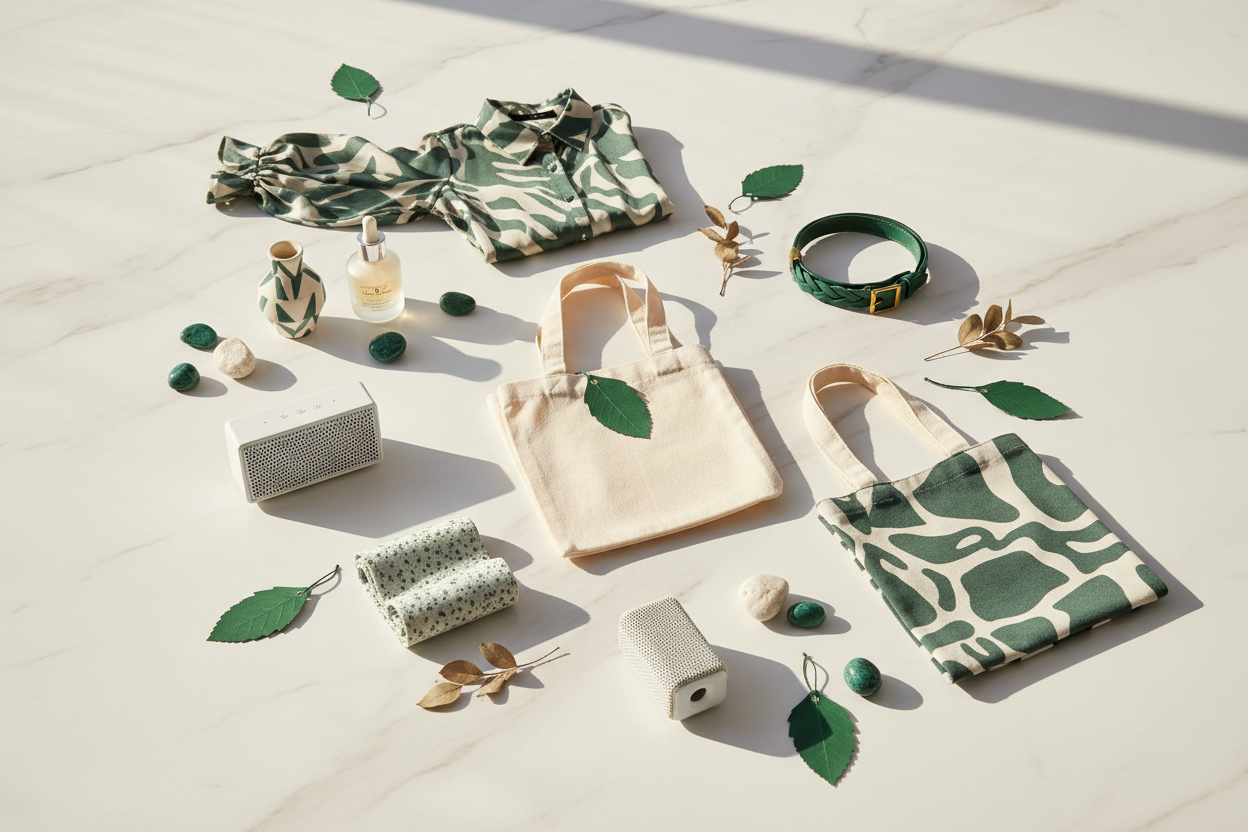
Quick Answer: business ideas for e commerce are strongest when you choose a product niche you can market clearly, source responsibly, price with enough margin and continue creating useful content around. For women entrepreneurs in 2026, practical ecommerce niches include fashion, beauty, home decor, pet accessories, fitness, electronics and sustainability-led products. The best option is not determined by gender; it depends on your budget, interests, suppliers, marketing skills and how much operational work you want to manage.
Business ideas for e commerce appear regularly on Reddit, where first-time founders ask a simple question: what can I sell online without wasting months or thousands of dollars before I know whether the idea will work?
For women entrepreneurs, the answer is not a special category of “women's businesses.” A good ecommerce business still needs the same fundamentals: a clear customer, products people actually want, workable margins, dependable suppliers, strong presentation and a realistic plan for attracting customers.
What matters is finding an ecommerce niche that fits the type of marketing and business management you are prepared to do consistently.
This guide focuses specifically on ecommerce product and niche ideas. If you are instead deciding between dropshipping, affiliate marketing, digital agencies, Amazon affiliate sites or software businesses, read EcomChief's online business ideas for beginners guide.

What Makes a Good Ecommerce Business Idea?
Key Takeaway: A good ecommerce niche gives you a clear customer, enough product variety to grow, useful marketing angles and economics that still make sense after real costs are included.
A niche should solve more than the question, “Do I like these products?” Personal interest can help, but a business also needs commercial logic.
Before choosing any ecommerce business idea, check five things:
- Customer clarity: Can you describe who is most likely to buy the products?
- Product depth: Can the store expand beyond one item if the first product underperforms?
- Content potential: Can you regularly create useful videos, guides, comparisons, demonstrations or inspiration around the niche?
- Unit economics: Is there enough room between the selling price and your total costs?
- Operational risk: Are returns, product safety, shipping, warranty issues or regulatory requirements manageable?
A product can look exciting and still be a weak ecommerce opportunity if shipping is expensive, returns are frequent or paid advertising consumes the entire margin.
Before committing money, use the EcomChief Dropshipping Profit Calculator to estimate product cost, shipping, fees, refunds, advertising and monthly tools rather than looking only at the selling price.
7 Business Ideas for E Commerce in 2026
Key Takeaway: The strongest ecommerce niches are not automatically the trendiest ones. Choose a market where you can create a clear brand, source products responsibly and keep finding reasons to reach the customer.
These seven ecommerce ideas give women entrepreneurs and other first-time founders very different ways to build a product-led online brand.
| Ecommerce Niche | Useful Marketing Angle | Main Challenge | Good Fit If You Enjoy |
|---|---|---|---|
| Fashion & Swimwear | Looks, styling, seasonal collections, short-form video | Sizing, returns, fast-moving trends | Visual branding and social content |
| Beauty & Personal Care | Tutorials, routines, demonstrations, gifting | Product claims, quality and compliance | Content, trends and product education |
| Home Decor | Room transformations, inspiration, bundles | Large-item shipping and breakage | Design, interiors and visual discovery |
| Pet Accessories | Demonstrations, problem solving, pet content | Product quality and safety | Community-led and emotional content |
| Fitness Accessories | Routines, demonstrations, bundles | Safety and unsupported health claims | Educational and demonstration content |
| Electronics & Smart Home | Product demonstrations and comparisons | Compatibility, warranty and returns | Product research and comparison content |
| Sustainability-Led Products | Materials, durability, reuse and sourcing stories | Proving environmental claims | Mission-led brand positioning |
1. Women's Fashion and Swimwear
Fashion is highly visual, which gives founders plenty of content angles: outfit combinations, seasonal collections, style guides, occasion-based products, travel looks and creator collaborations.
The challenge is operational. Sizing problems, returns, inconsistent supplier photography and rapidly changing trends can quickly damage margins.
If you choose fashion, build around a clear customer rather than trying to sell everything to everyone. A tightly positioned boutique for resort wear, workwear, minimalist clothing or another defined style is easier to communicate than a generic clothing catalogue.
For a live example, compare EcomChief's ready-made women's fashion store or the ready-made swimwear business.
2. Beauty and Personal-Care Products
Beauty gives you strong opportunities for demonstrations, routines, gift guides, before-and-after-style educational content and creator partnerships.
But beauty also requires discipline. Do not make unsupported medical, therapeutic or exaggerated product claims. Check supplier documentation and understand the rules that apply in the countries where you sell.
Beginners who want less complexity can focus on beauty tools, accessories and clearly documented products rather than making aggressive claims about what a cosmetic product will do.
See how the niche can be structured with EcomChief's beauty and makeup dropshipping store.
3. Home Decor
Home decor works through inspiration. Instead of simply showing an individual item, you can demonstrate how several products work together inside a room or aesthetic.
This creates natural opportunities for room guides, seasonal refreshes, gift collections, style combinations and product bundles.
The major consideration is fulfillment. Large or fragile products can make shipping, damage and returns more difficult, so product selection matters just as much as store design.
Compare the structure of the EcomChief home decor dropshipping store.
4. Pet Accessories
Pet products lend themselves to demonstrations, problem-solving content, gift ideas and strong community participation.
A pet store might focus on toys, grooming accessories, travel products, feeding accessories or everyday pet-owner problems rather than becoming an enormous catalogue.
Quality control matters. Products used by animals should be selected carefully, and medical or health claims should not be made without appropriate evidence.
For a current example, review EcomChief's ready-made pet supplies store.
5. Fitness and Workout Accessories
Fitness products give founders a natural educational content engine. You can demonstrate how equipment is used, build beginner routines, explain product differences and create bundles around specific activities.
The opportunity is strongest when the store has a defined audience. Home workouts, yoga accessories, recovery equipment or compact fitness products can create a clearer message than an unfocused sports catalogue.
Again, avoid promising medical outcomes or guaranteed fitness results.
See the current EcomChief fitness dropshipping store for one example of how this niche can be organized.

6. Electronics and Smart-Home Accessories
Electronics can perform well when customers need help understanding differences between products.
That creates useful content opportunities around comparisons, demonstrations, setup guides and “which one is right for me?” questions.
The tradeoff is that buyers may expect stronger technical support. Compatibility issues, defects, warranties and returns can be more complicated than with simple accessories.
Before choosing electronics, understand exactly what the supplier handles and what customer questions you will be responsible for answering.
You can review EcomChief's electronics dropshipping store as a current niche example.
7. Sustainable or Responsible Ecommerce
Sustainability can be a positioning strategy rather than an entire product category.
A fashion entrepreneur, for example, could concentrate on durability, lower-waste packaging, reusable products or suppliers that can actually document material and sourcing claims.
This is where the original version of this EcomChief article was too simplistic. Calling a store “sustainable” does not make it sustainable.
If environmental positioning is important to your brand, ask suppliers for evidence supporting claims about recycled materials, organic materials, manufacturing methods or packaging. Do not build marketing around vague labels you cannot substantiate.
That approach is more credible with customers and gives the brand a genuine point of difference instead of adding “eco-friendly” to otherwise generic products.
How to Choose the Right Ecommerce Niche Without Guessing
Key Takeaway: Choose a niche by matching customer demand and unit economics with the type of marketing, supplier management and customer service you can realistically sustain.
Do not choose purely because someone calls a niche profitable.
Start with these questions:
- Who is the customer? Describe one clear buyer rather than “everyone.”
- Why would they buy from this store? Price alone is rarely a durable reason.
- What will you create every week? Think about videos, photos, guides, emails, SEO content and offers.
- Can the numbers work? Include supplier cost, shipping, payment fees, refunds, apps and customer acquisition.
- What can go wrong? Consider returns, damaged products, sizing, safety, warranties and supplier reliability.
If you are still comparing startup budgets, use the Online Business Startup Cost Calculator before committing to development or advertising.
For a deeper margin check, calculate the product economics with the Dropshipping Profit Calculator.
This is especially important for beginners. Revenue is not the same as profit, and a popular niche can still become a poor business if every sale leaves too little money after fulfillment and marketing costs.
Build From Scratch or Buy a Ready-Made Ecommerce Store?
Key Takeaway: Building from scratch offers maximum control. A ready-made store can reduce setup time. Neither option removes the need for marketing, management, testing and customer service.
This distinction matters because a ready-made store is not the same thing as buying an established ecommerce company.
| Option | What You Start With | What Still Needs Work |
|---|---|---|
| Build from scratch | A blank platform or theme | Branding, design, products, suppliers, pages, apps, testing and marketing |
| Ready-made starter store | Prepared website, branding, products and launch infrastructure | Marketing, product testing, customer acquisition, optimization and management |
| Established ecommerce business | May include historical revenue, customers, traffic and operating records | Due diligence, transition, growth, operations and ongoing risk management |
EcomChief primarily operates in the second category: ready-made business foundations.
That means a typical EcomChief ecommerce store should not be assumed to include historic revenue, existing customers, established profit or guaranteed traffic.
The value is the setup shortcut.
You can review the exact assets currently included on the What's Included page, read the Online Business Buyer Questions, and see the ownership and handover process before purchasing.
The foundation saves setup time. Your marketing, management, testing, customer service and ongoing improvement determine the result.
A Simple 30-Day Ecommerce Launch Plan
Key Takeaway: Spend your first month validating the niche, checking the store, producing marketing assets and gathering real data rather than endlessly redesigning the website.
Your first month should move from assumptions to evidence.
Days 1–3: Define the Customer
- Choose one core niche.
- Describe the primary customer.
- Define the main problem, desire or buying occasion.
- Identify 5–10 products that fit that customer rather than adding hundreds randomly.
Days 4–7: Check Products and Suppliers
- Review supplier ratings and available documentation.
- Confirm shipping expectations.
- Check product images and descriptions.
- Understand likely return or warranty issues.
- Calculate estimated margin after major costs.
Days 8–14: Prepare Your Store and Content
- Personalize the homepage and brand message.
- Check product pages on mobile.
- Set up payments and business information.
- Create your first social posts and short-form videos.
- Prepare welcome and abandoned-cart email flows.
- Write useful niche content rather than publishing generic AI filler.
Days 15–21: Test One Main Traffic Channel
Do not try to master six channels at once.
Depending on the niche, your first channel might be Meta advertising, Google Shopping/Search, TikTok, Instagram, Pinterest, SEO, creators or influencer outreach.
Choose one primary acquisition system, learn what the numbers mean and improve it before spreading the budget too thin.
Days 22–30: Review the Numbers
- Which products attract attention?
- Which product pages keep visitors engaged?
- Are visitors adding products to cart?
- What questions do potential customers repeatedly ask?
- What is your estimated cost to acquire a customer?
- What profit remains after advertising and fulfillment?
If you are using paid advertising, check the numbers with the Marketing ROI Calculator before increasing your budget.

Want to Skip the Ecommerce Setup Stage?
Key Takeaway: A ready-made ecommerce store can remove part of the technical setup, but you remain responsible for turning the foundation into a real operating business.
EcomChief's ecommerce catalogue gives buyers a prepared starting foundation that can include the store, branding, product structure, domain, supplier setup or guidance, marketing resources and ownership handover.
These are starter business assets, not established businesses with guaranteed customers or revenue.
Every standard store starts at $99, with an optional $148 traffic/marketing package if you want additional launch support. The purpose is to reduce setup time so you can move faster into product testing, content, traffic generation, customer service and improvement.
Trust signals: 5.0/5 based on 3,979 reviews and 247+ businesses sold.
Browse Ecommerce Stores Calculate Startup Cost See What's Included
The Bottom Line
Key Takeaway: The best ecommerce business idea is the niche you can source responsibly, market consistently and operate with numbers that make commercial sense.
Women entrepreneurs do not need a completely different ecommerce playbook.
Fashion, beauty, home decor, pets, fitness, electronics and sustainability-led stores can all become legitimate ecommerce businesses when the niche is clear and execution is disciplined.
What matters is what happens after the idea.
You still need to understand your customer, select the right products, calculate your margins, create content, generate traffic, answer customer questions, test offers and improve what is not working.
A ready-made ecommerce store can shorten the setup process. It cannot replace those responsibilities.
That is exactly how EcomChief should be evaluated: as a faster way to acquire a prepared business foundation, not as a shortcut to guaranteed income.
Helpful EcomChief Resources
Key Takeaway: Use these verified resources to compare niches, costs, products and ownership details before choosing an ecommerce business.
- Browse ready-made dropshipping and ecommerce stores
- View the women's fashion dropshipping store
- View the women's swimwear store
- View the beauty and makeup store
- View the home decor dropshipping store
- View the pet supplies dropshipping store
- View the fitness dropshipping store
- View the electronics dropshipping store
- Compare broader online business ideas for beginners
- Use the Online Business Startup Cost Calculator
- Use the Dropshipping Profit Calculator
- Read the Online Business Buyer Questions
- See exactly what is included with an EcomChief business
- Review the EcomChief ownership and handover process
Frequently Asked Questions
What are good business ideas for e commerce in 2026?
Practical ecommerce ideas include fashion, beauty accessories, home decor, pet products, fitness accessories, electronics and sustainability-led product collections. The right niche depends on demand, margins, supplier quality, marketing fit and your ability to operate the business consistently.
What ecommerce business is good for a woman to start?
There is no ecommerce model that is inherently better simply because the owner is a woman. Choose based on your interests, budget, customer knowledge, available time and preferred marketing style. Fashion, beauty, home, pets, fitness and electronics are all possible starting niches.
Can I start ecommerce without holding inventory?
Yes. Dropshipping allows a store owner to sell products while suppliers fulfill customer orders. This reduces the need to purchase and store inventory upfront, but you still need to manage suppliers, marketing, customer service, returns and store operations.
Should I build an ecommerce store or buy a ready-made one?
Building from scratch gives you maximum control but requires more setup work. A ready-made store can save setup time by providing an existing website, branding, products and business structure. A ready-made starter store should not be confused with an established business containing existing customers or guaranteed revenue.
Does buying a ready-made ecommerce store guarantee sales?
No. A ready-made ecommerce store gives you a prepared foundation. Sales depend on demand, product quality, pricing, marketing, traffic, conversion, customer service and ongoing execution. EcomChief does not guarantee traffic, sales, profit or business success.
Related reading
All articles


Free Online Business Calculators
Estimate costs, profits, ROI, affiliate earnings, and business value before you spend money.